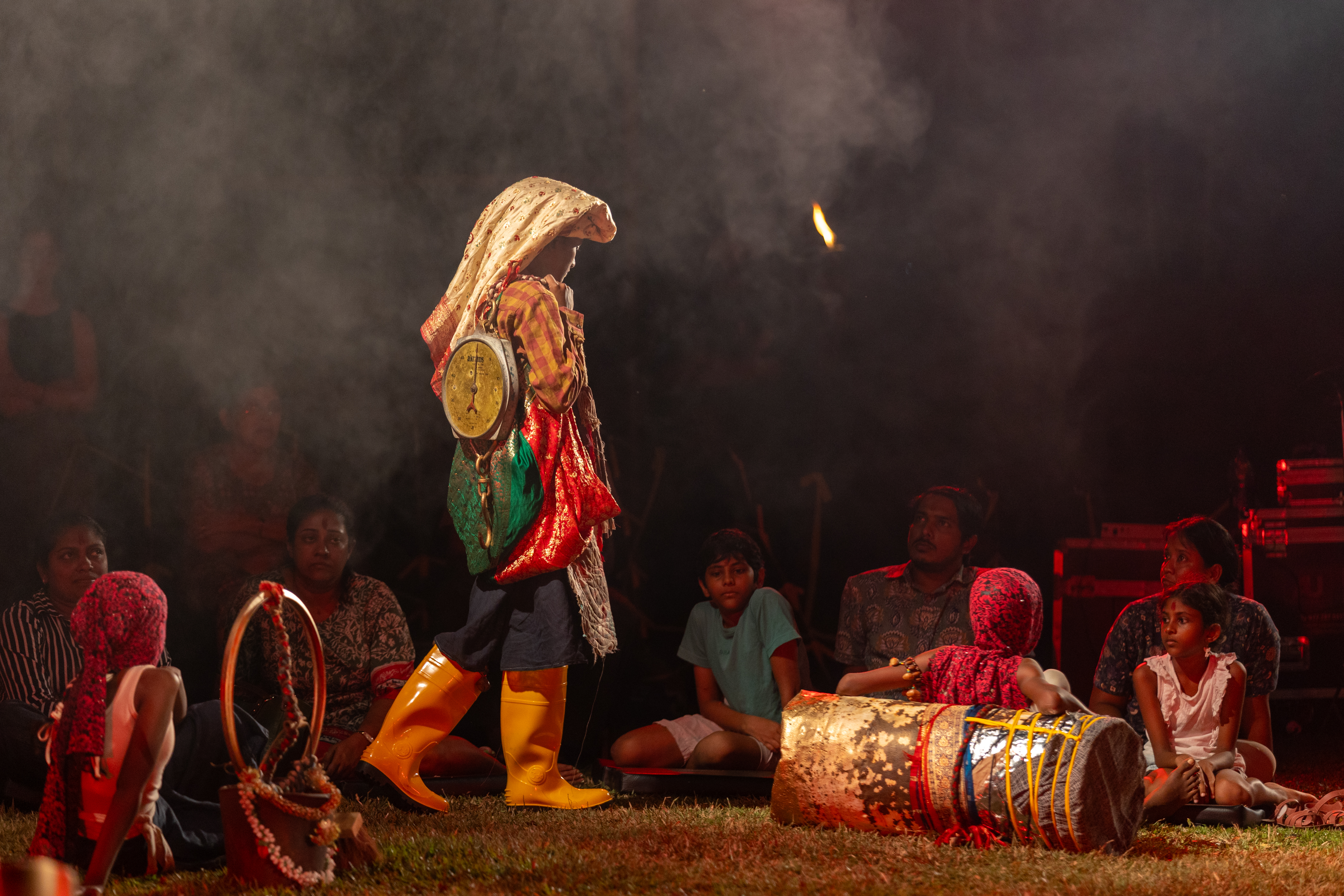
The HillsAre Not Silent
“Every whisper returns as an echo.”
Inspired by true stories from Malaiyaha Tamil communities
The Malaiyaha Tamil (Kaley) community are the descendants of South Indian laborers brought to Sri Lanka's hill-country tea estates under British colonial rule. For generations, they have worked the terraced slopes of the island's highlands - their labor weaving the very fabric of Ceylon's global identity - while remaining one of its most politically and culturally invisible peoples.
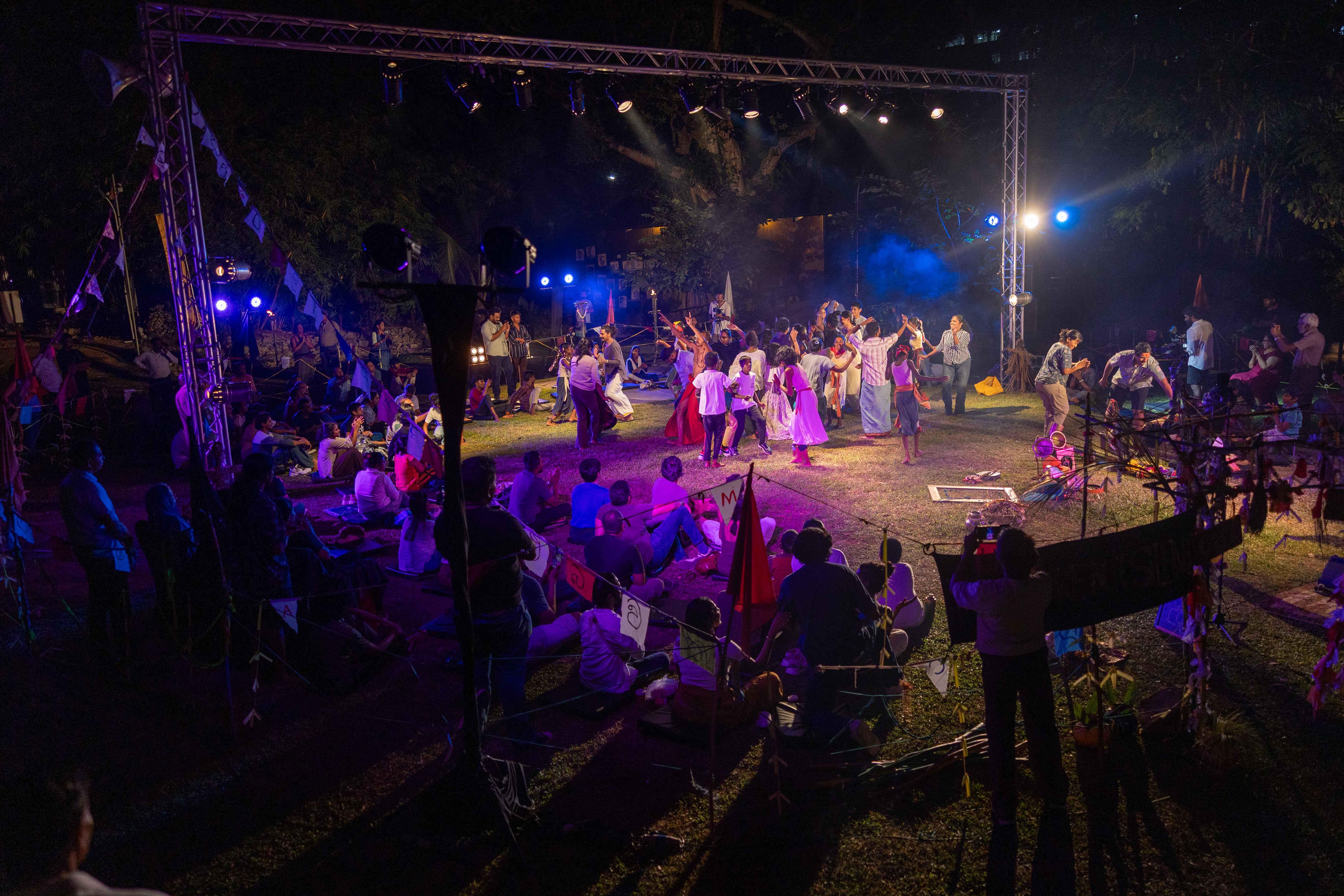
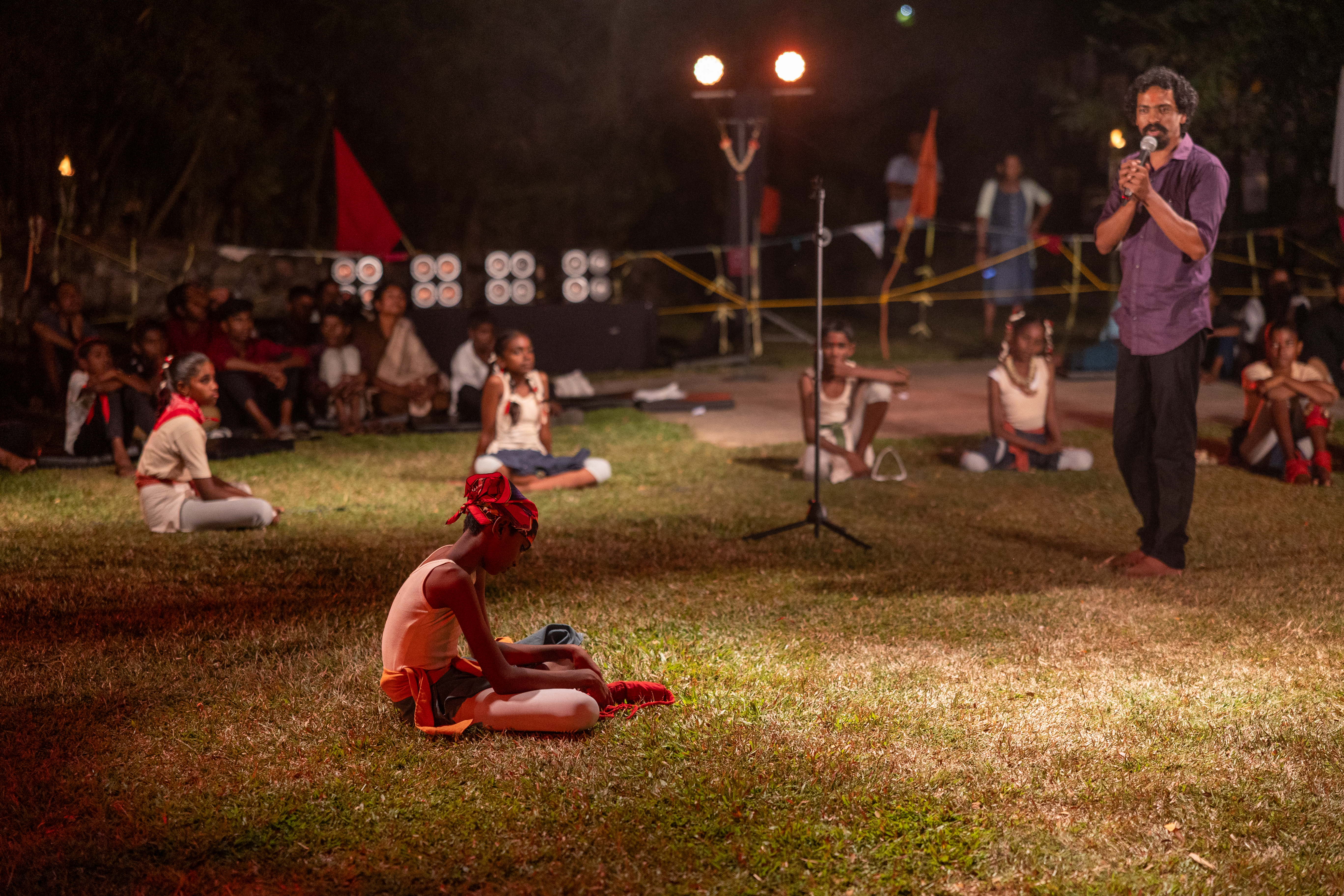
The Hills Are Not Silent places their children at the center of the stage - not as subjects, but as storytellers. The title itself is an act of defiance: these hills, these communities, these bodies have always carried histories. They were never silent. The world simply chose not to listen.
“No community is voiceless, no history is insignificant, and no child should inherit silence.”
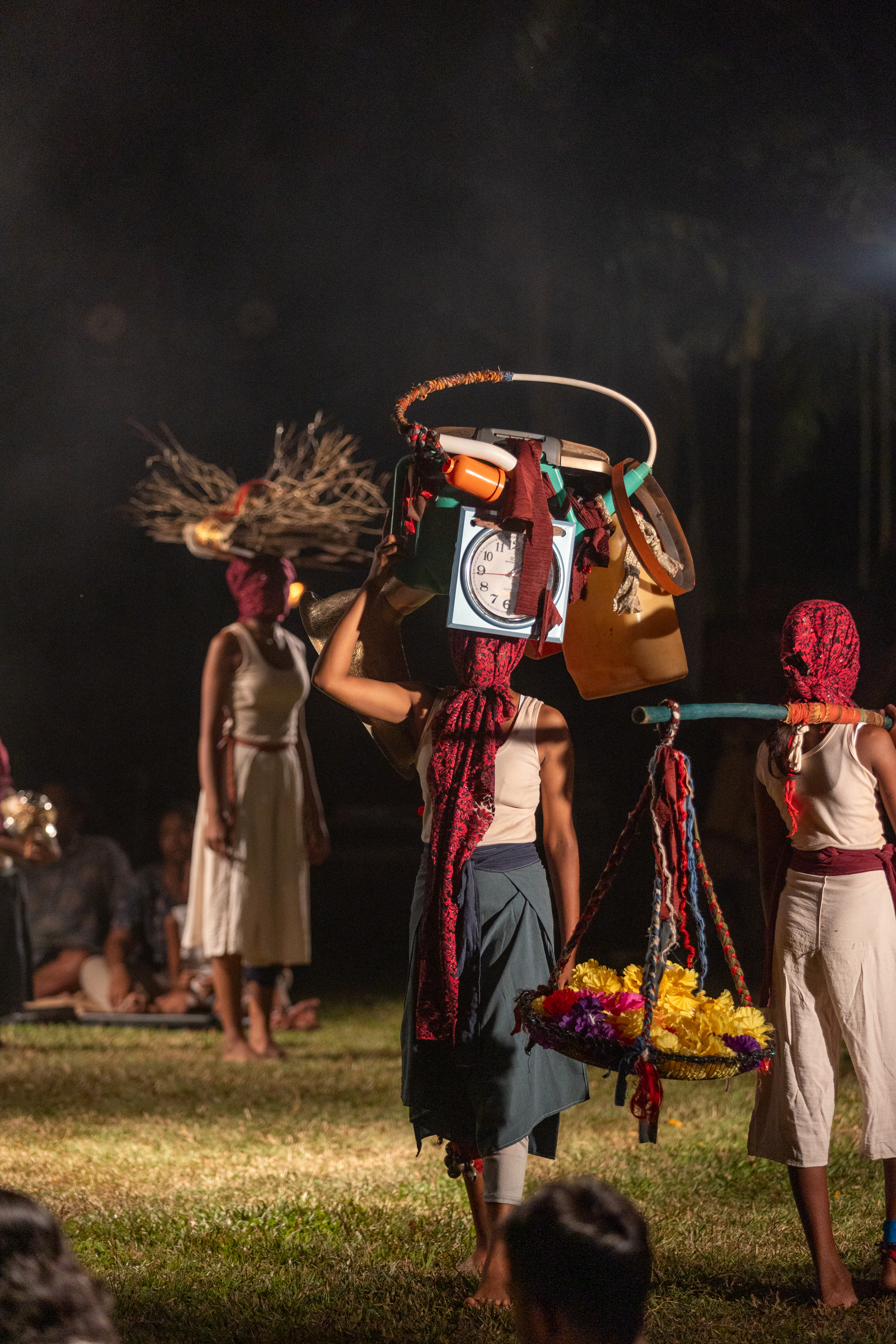
The performance weaves together themes of labour - the physical toil passed from generation to generation - with identity, the question of who you are when the world refuses to name you. It confronts displacement, the fractures of belonging, and celebrates resistance through bodies that refuse to be erased.
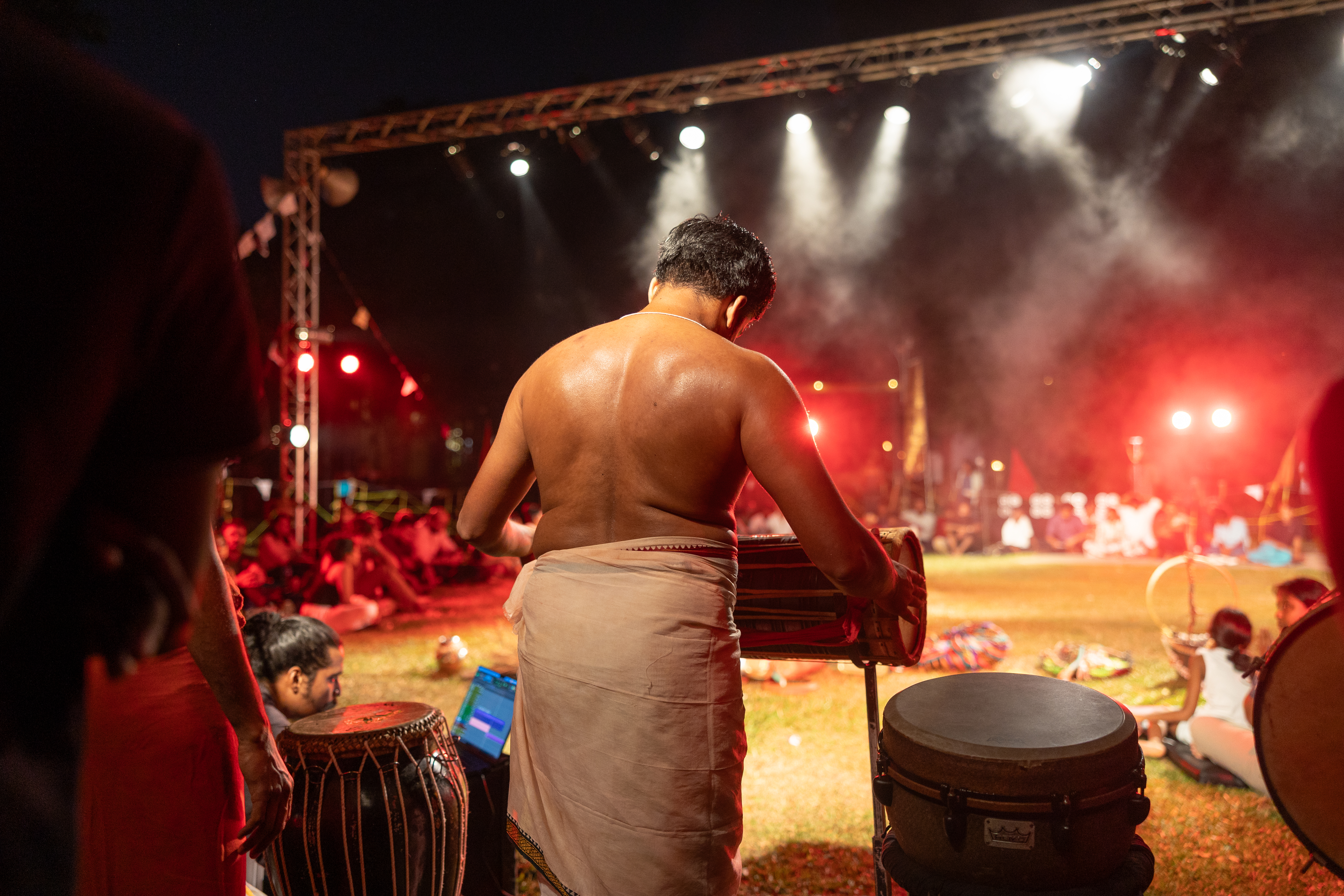
Through physical theatre, movement, music, ritual, and multilingual storytelling, the performers revisit the histories of their ancestors. Performed in three languages - Tamil, Sinhala, and English - the multilingual form is itself a political act.
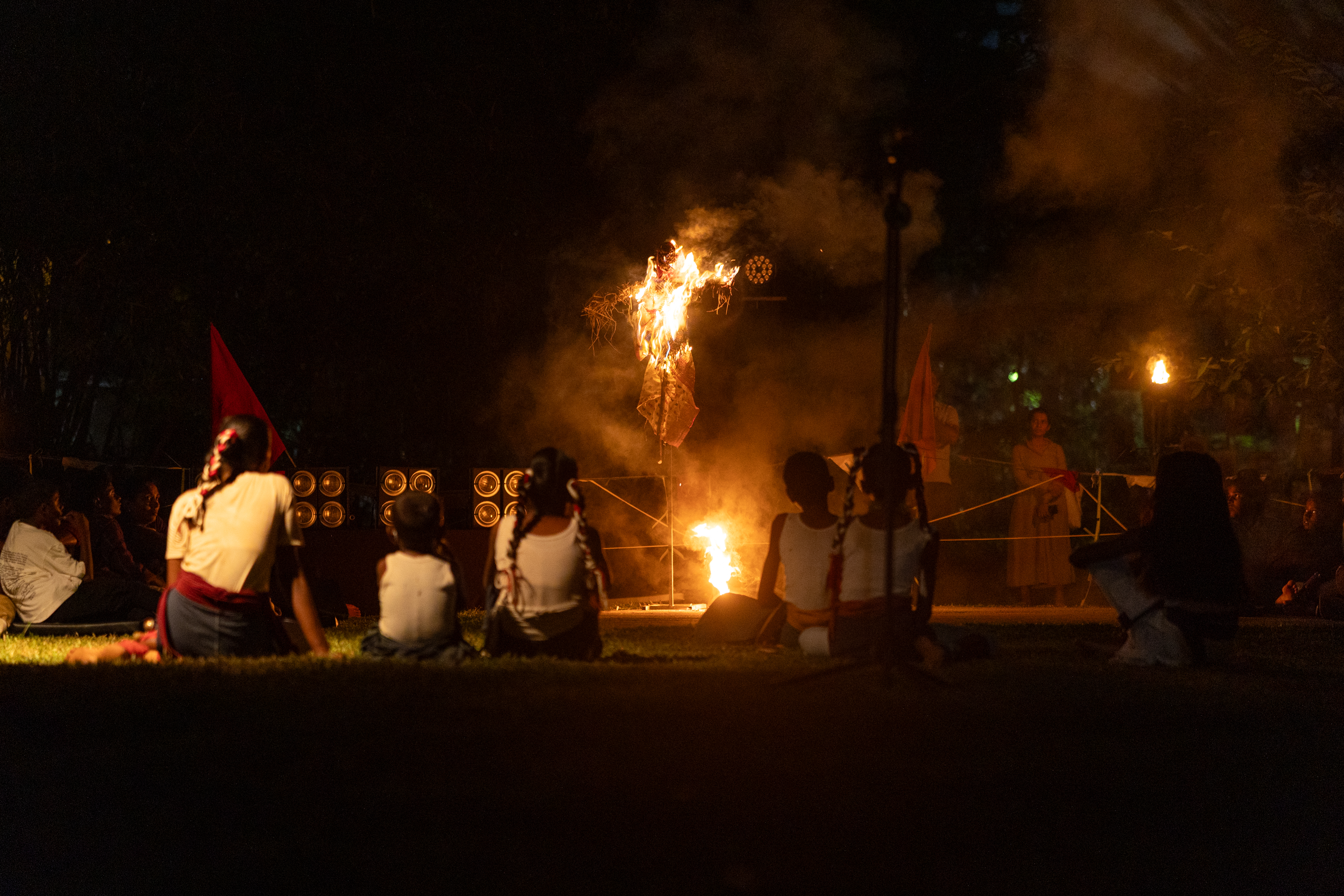 Ritual fire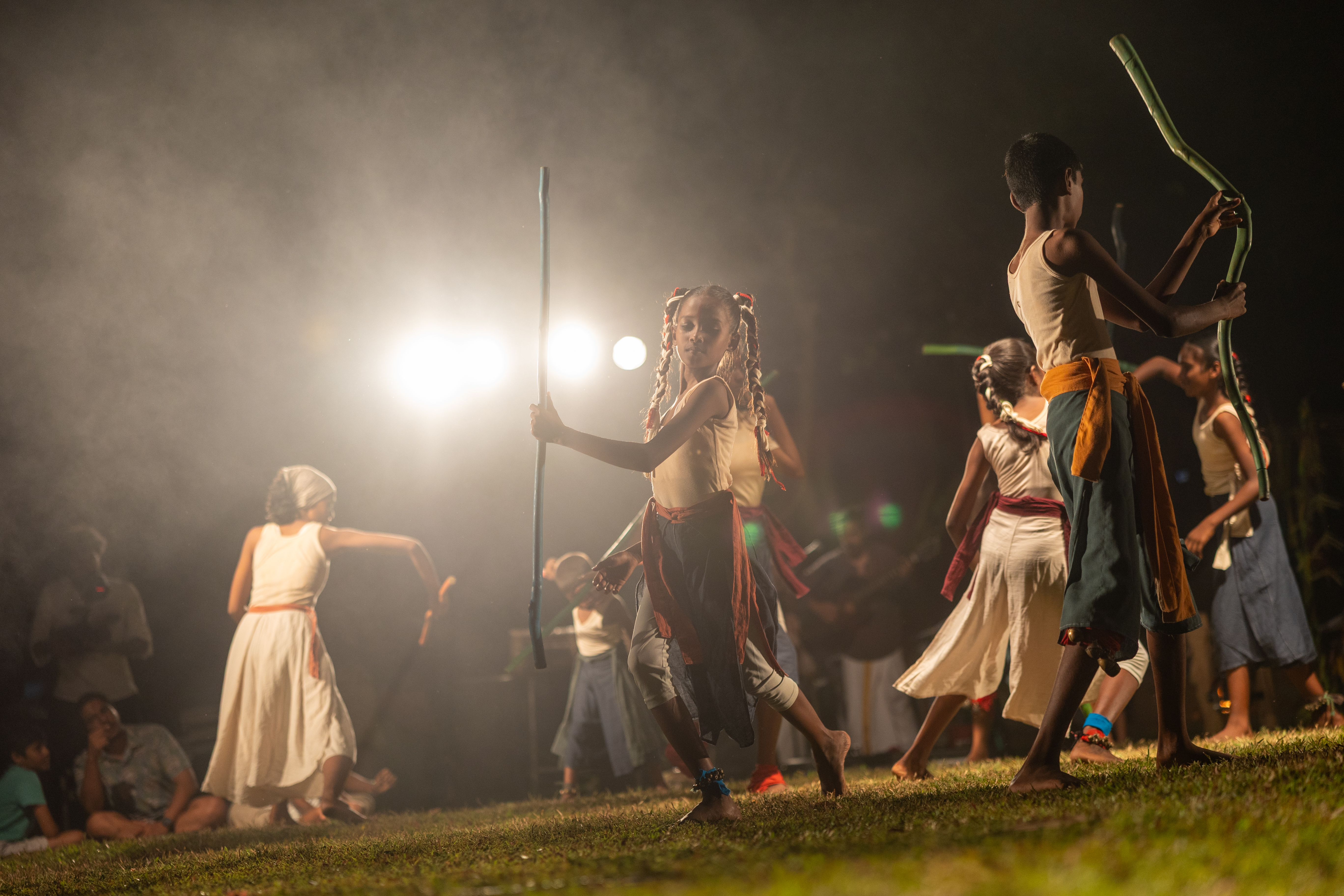
Credits
Supported By
“No community is voiceless.
No history is insignificant.
No child should inherit silence.”